


-

Add: HeBei ShengShi HongBang Cellulose Technology CO.,LTD.
-

Email
13180486930@163.com -

CONTACT US
+86 13180486930

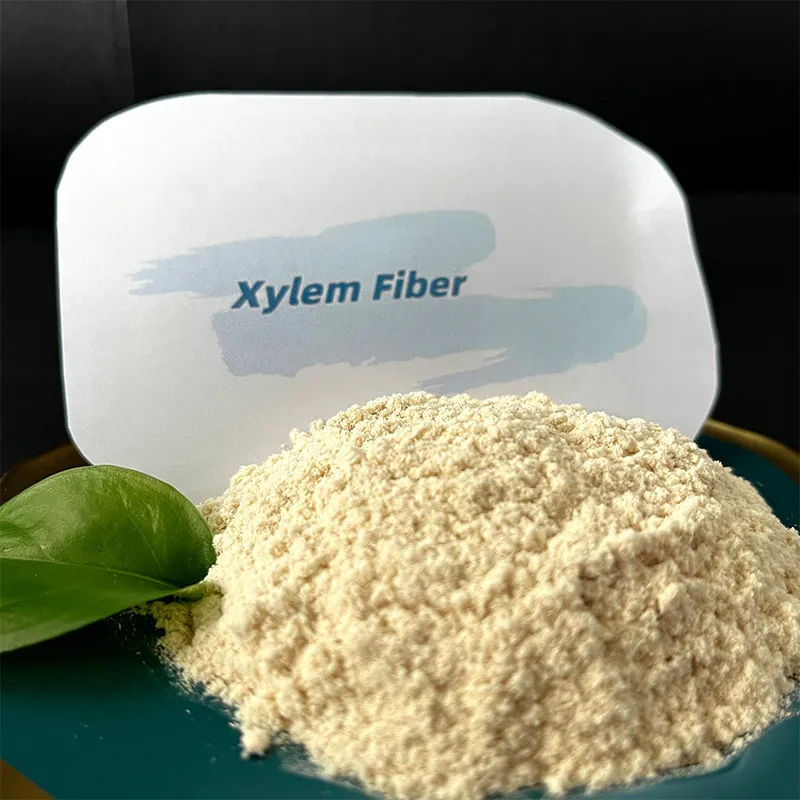
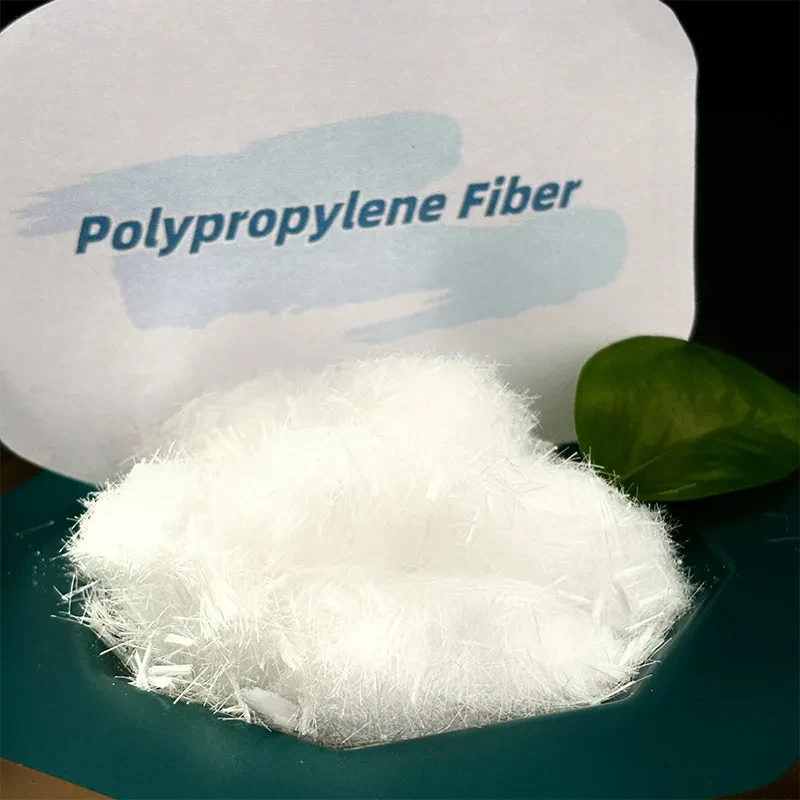
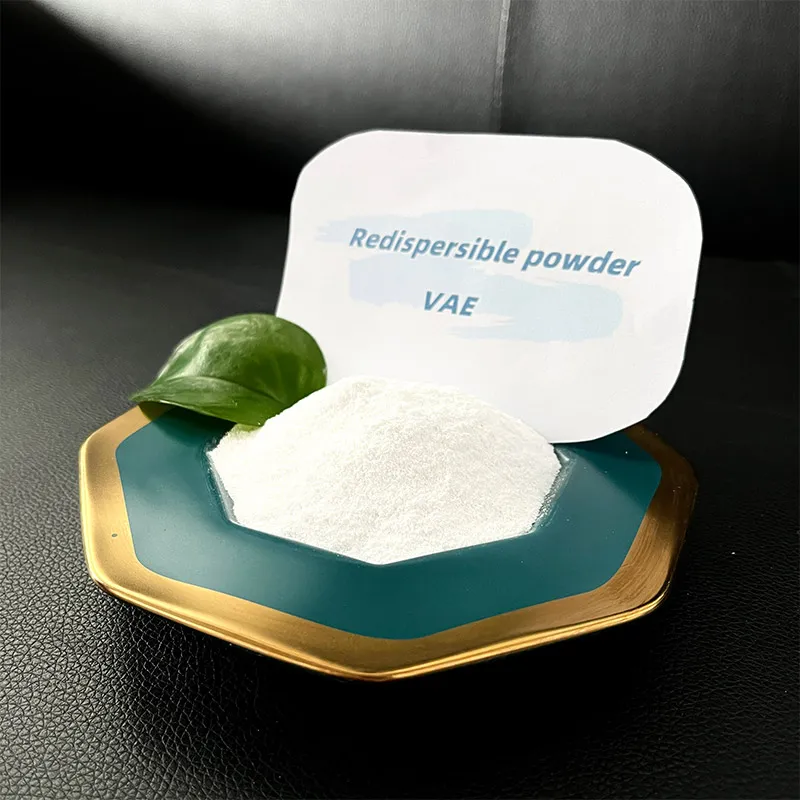




When exploring the landscape of construction materials, HPMC Limited emerges as a pivotal player, renowned for its premier-grade Hydroxypropyl Methylcellulose (HPMC) products. These products are essential in delivering unmatched quality, stability, and reliability across various applications, particularly in the construction industry. HPMC Limited has consistently showcased its expertise by developing products that cater to the demanding needs of the modern construction sector. Their HPMC formulations are extensively utilized in producing high-performance adhesives, renders, and plasters. These materials benefit from the water retention and consistency control provided by HPMC, which ensures optimal working conditions and excellent durability of the final product. Professional builders and construction specialists trust HPMC Limited due to their commitment to quality and rigorous testing standards. Each batch of their HPMC products undergoes meticulous quality control checks . This rigorous process ensures the purity and effectiveness of the cellulose ether derivatives provided by the company. Clients often commend the high viscosity and optimal solubility of their products which enhance the performance of cement-based materials. Furthermore, HPMC Limited’s research and development team is at the forefront of innovation, continually exploring ways to refine their products to better meet industry needs. Their dedication to sustainable practices and environmentally-friendly production methods also sets them apart. By reducing volatile organic compounds and limiting emissions during manufacturing, they demonstrate responsible stewardship of the environment, an increasingly important factor in the construction industry. hpmc limited The authority of HPMC Limited extends beyond product quality to include a robust support system and a knowledgeable customer service team. This team is dedicated to providing expert recommendations and assistance, ensuring that clients can seamlessly integrate HPMC products into their workflows with confidence. Their technical support is seen as a collaborative effort with clients, maximizing the benefits and applications of HPMC across various projects. Moreover, HPMC Limited is recognized for its transparent and reliable business practices, fostering trust among its clientele. Their partnerships span across multiple regions, with an established reputation for delivering on-time and providing a steady supply chain that is crucial for large-scale construction projects. This reliability ensures that project timelines remain intact and construction quality is never compromised. HPMC Limited’s educational initiatives also enhance their authority in the industry. By hosting workshops and seminars, they disseminate key knowledge and advancements in cellulose derivative technology. These sessions offer invaluable insights into product applications and advancements, thereby promoting skill enhancements among industry professionals. In conclusion, HPMC Limited stands out in the fiercely competitive construction materials sector by delivering high-quality HPMC products that are integral to modern building solutions. Their expertise, authority, and trustworthy nature have solidified their status as a leader in the industry. Construction professionals seeking a partner that combines product excellence with environmental consciousness and exceptional customer support need look no further than HPMC Limited. With a track record of success and a vision for sustainable building practices, they remain a preferred choice for professionals demanding the best in construction material technology.
- 40000tons

Production
- 20+years

Experience
- 5000+㎡

Acreage

-

Next-Generation Wood Cellulose & Xylem Fiber: Technology, Industry Trends and Applications HeBei ShengShi HongBang Cellulose Technology CO.,LTD. HeBei ShengShi HongBang Cellulose Technology CO.,LTD. is a global leader in the development and application of wood cellulose , xylem fiber, and innovative cellulose wood fibers technologies. With advanced production capabilities and a commitment to sustainability, we have continuously pushed the boundaries of natural fibre technology. Website: https://www.sshbhpmc.com Tel: +86 13180486930 Email: 13180486930@163.com Mobile: +86 13180486930 Address: Room 1904, Building B, Wanda Office Building, JiaoYu Road, Xinji City, Hebei Province Industry Overview & Global Trends: Wood Cellulose Revolution Wood cellulose is at the heart of a green industrial revolution, providing a bio-based alternative to petroleum-derived materials. Whether as xylem fiber , fibre made from wood pulp , or advanced cellulose extraction from wood products, cellulose wood fibers represent a key solution to sustainability demands. Global wood cellulose demand is forecast to grow at over 6.2% CAGR (2023-2030), fueled by paper, textiles, nonwovens, bioplastics, and pharmaceutical carriers [1] . Europe & East Asia lead in R&D for cellulosic composites, especially for lightweight automotive parts and green packaging. Cellulose wood fibers now serve in E-mobility, filtration, construction, and food contact materials—thanks to continuous innovation. Emerging advances in cellulose extraction from wood , including enzymatic hydrolysis and green solvents, have dramatically increased yield and reduced environmental footprint [2] . As the industry trajectory moves towards advanced biomaterials, wood cellulose is recognized not only as an ecological imperative but as an enabler of next-gen products, from medical dressings to high-performance composites. Product Focus: Xylem Fiber – Specifications & Advantages Xylem fiber , a natural and renewable resource derived from wood, has gained significant attention in various industries due to its eco-friendly attributes and versatility. Developed by HeBei ShengShi HongBang Cellulose Technology CO.,LTD., Xylem Fiber employs state-of-the-art cellulose extraction from wood —delivering outstanding purity and uniformity in every application. Renewable: Harvested from sustainable forestry. Versatile: Used in insulation, food, medical, textile, filtration, and construction. Eco-Efficient: Low carbon footprint, biodegradable. Highly Pure: Exceeds 98.5% cellulose content. Consistent Quality: Strictly monitored particle size and whiteness. ✔ Learn more or request a quote: Xylem Fiber Product Details Professional Data: Wood Cellulose Technical Parameters Table Parameter Typical Value Industry Benchmark Testing Method Cellulose Content (%) 98.5 – 99.2 >97.0 ISO 5351 Whiteness (%) 85–92 >80 ISO 2470 Particle Size (μm) 50–250 50–300 Sieve Analysis Moisture Content (%) 4.5–6.0 <8.0 ISO 287 pH (2% Sol.) 6.0–8.5 6.0–8.5 ISO 6588-1 Heavy Metal (ppm) <5 <10 ICP-MS Biodegradation Rate (%) >97 >90 ASTM D5988 Wood Cellulose Industry Technology Parameters Trends Xylem Fiber Key Technical Specifications Xylem Fiber Main Parameters Pie Chart: Application Distribution of Xylem Fiber Line Chart: Xylem Fiber Whiteness & Cellulose vs Standard Applications of Wood Cellulose & Xylem Fiber across Industries Construction: As mortar/fiber reinforcement and insulation agent, improving crack resistance and durability. Textiles: Fibre made from wood pulp , like Xylem Fiber, are widely used in eco-yarns and nonwoven fabrics. Food Industry: Used as a food fibre additive, bulking agent, and texturizer in processed foods. Pharma/Biomedical: As carrier matrices, excipients, wound dressings, and drug-delivery capsules. Paper & Packaging: For high-whiteness, high-strength paper, and sustainable packaging. Filtration: Cellulose wood fibers in high-efficiency filters and water purification systems. Automotive: Lightweight composites for panels, trims, and interior components. Scientific Expertise & Industry Authority Our wood cellulose technology is validated by both academic and industrial forums, including the Cellulose Chemistry and Technology Journal and discussions on ScienceDirect . Relevant studies underline the environmental safety, material performance, and circular economy benefits of cellulose extraction from wood biomass. As an ISO 9001:2015-certified supplier, HeBei ShengShi HongBang Cellulose Technology CO.,LTD. ensures every batch of wood cellulose and xylem fiber meets global standards for safety, purity, and performance. Long-term partnerships with top universities and biotech research institutes. Continuous investment in R&D, green manufacturing, and digital QC systems. Yearly participation in the International Cellulose Fiber Conference (DFIB - Int’l Cellulose Fibres) . Referenced in recent Tappi Journal papers (TAPPI - Technical Association of the Pulp and Paper Industry) . Professional FAQ: Wood Cellulose and Xylem Fiber Q1. What is the typical chemical composition of wood cellulose ? A: It usually contains 98-99% α-cellulose, less than 0.5% hemicellulose, and minimal lignin, ash, or extractives, ensuring a high purity for industrial applications. Q2. How is xylem fiber different from other cellulose wood fibers? A: Xylem fiber features a higher fraction of crystalline cellulose and improved fiber uniformity, achieved by advanced cellulose extraction from wood processes designed for specialty applications. Q3. What are the key quality standards for fibre made from wood pulp ? A: ISO 5351 (cellulose content), ISO 2470 (whiteness), and ASTM D5988 (biodegradability) are core benchmarks widely adopted. Q4. Can cellulose wood fibers be customized for particle size or dispersibility? A: Yes, at HeBei ShengShi HongBang Cellulose Technology CO.,LTD., we tailor parameters such as particle size (30–300 μm), aspect ratio, and surface charge to meet specific formulation needs. Q5. What is the environmental impact of cellulose extraction from wood ? A: Modern methods use green solvents and enzymatic hydrolysis, reducing emissions by up to 45% compared to traditional pulping, with almost complete biodegradability of residues. Q6. Which installation or usage standards apply to wood cellulose in construction? A: EN 933-1 and ASTM C167 cover fiber dimensions and compressibility in construction and insulation applications; full MSDS documentation is provided with each batch. Q7. What particle size range does Xylem Fiber offer? A: Standard grades are available from 50 to 250 μm, with tight control of distribution to ensure consistent dispersion in end-use formulations. Conclusion: Future of Wood Cellulose – Learn More, Connect with Us With its outstanding sustainability profile, high performance, and regulatory acceptance, wood cellulose underpins the next era of green material innovation. For bespoke solutions or technical support on Xylem Fiber and related products, contact HeBei ShengShi HongBang Cellulose Technology CO.,LTD. : Tel: +86 13180486930 | Email: 13180486930@163.com Website: https://www.sshbhpmc.com Cited from: [1] Cellulose Chemistry and Technology, Vol.52, 2018 [2] ScienceDirect: Wood Cellulose Chemistry [3] Technical Association of the Pulp & Paper Industry (TAPPI) [4] DFIB – International Cellulose Fibres Conference
-
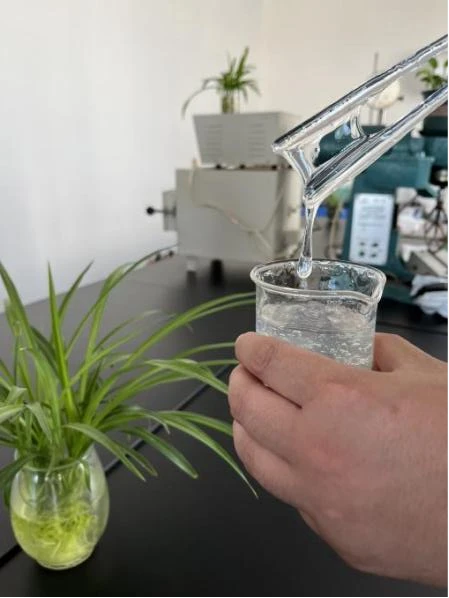
In the ever-evolving landscape of manufacturing, rubber powder has emerged as a vital component, especially in sectors aiming for sustainability and cost-effectiveness. Derived primarily from recycled tires, rubber powder finds applications in numerous industries, such as automotive, construction, and even footwear. The sustainability angle makes it appealing to eco-conscious manufacturers, while the cost benefits extend its reach to businesses of all sizes. The journey from a discarded tire to finely ground rubber powder is both fascinating and enlightening. The manufacturing process of rubber powder is an exemplar of how innovation and sustainability can coexist. The process typically involves several critical stages, each contributing uniquely to the final product's quality and applicability. The first crucial step in manufacturing rubber powder is the collection and inspection of waste tires. Tires are often sourced from landfills or directly from tire retailers. The inspection process ensures that only suitable tires—free from significant contaminants—are processed. The collected tires then undergo shearing, where they are cut into smaller, manageable chunks. Once sheared, the rubber chunks enter the initial grinding phase. This step involves powerful grinders that break down the rubber into smaller granules. It's essential that the grinding process is done under controlled conditions to maintain the rubber's intrinsic properties. Cryogenic grinding often plays a role here, where the rubber is frozen using liquid nitrogen and then shattered. This method not only preserves the rubber's quality but also ensures uniform granule size, which is crucial for quality control and subsequent applications. Following the grinding, magnetic separation is employed to remove metallic contaminants such as steel wire, which is a standard component in tire manufacturing. Advanced separators employ both magnetic and eddy-current technologies to ensure a high degree of purity in the resultant rubber granules. The next phase involves refining these granules into powder form. Milling machines are used to pulverize the granules into fine rubber powder. The fineness of this powder can be adjusted based on the specific requirements of its intended use—ranging from coarse grades for general applications to ultra-fine grades for more sophisticated industrial purposes. This adaptability is key to rubber powder's versatility in various manufacturing processes . rubber powder wikipedia manufacturing process A critical aspect of rubber powder production is quality assurance. Numerous tests are conducted to ensure the powder meets industry standards for particle size, tensile strength, and purity. Consistent quality is imperative, as the performance of the rubber powder in its final application hinges on these metrics. Experts in the field advocate for continuous innovation in this process. Advanced technologies like automated sorting and AI-driven quality control systems are being integrated to enhance efficiency and precision. These innovations not only streamline operations but also bolster the reliability and consistency of the rubber powder produced. Sustainability is a cornerstone of the rubber powder manufacturing process. By recycling tires, manufacturers significantly reduce the environmental impact associated with rubber production. This process also aligns with the circular economy principles, where waste is minimized and resources are reutilized effectively. The market for rubber powder is expansive. In construction, it is used to produce modified asphalt, offering improved durability and resistance to the elements. In the automotive industry, it provides enhanced properties in tire and non-tire applications. Moreover, its use in consumer goods such as rubber-soled footwear and playground surfaces underscores its broad applicability. For manufacturers looking to integrate rubber powder into their products, understanding the nuanced process of its creation is essential. By leveraging this knowledge, companies can optimize product performance, reinforce their commitment to sustainability, and achieve significant cost savings. In conclusion, the production of rubber powder is a testament to the innovative spirit within the manufacturing sector, combining technical expertise with sustainable practices. As industries continue to seek eco-friendly and efficient materials, rubber powder’s role is poised to expand, offering myriad possibilities for future development and application.
advantages
-

200000 Viscosities
Excellent product
We can produce pure products up to 200,000 viscosities
-

40000 tons
High yield
We don’t stop production all year round, and the annual output can reach 40,000 tons
-

24 hours
Quality service
We provide 24-hours online reception service, welcome to consult at any time
———— Inquiry Form
Schedule A services


-
 precio_de_fibra_pp
Oct . 25, 2025
In today’s industrial landscape, sustainable material solutions drive innovation. Micronized rubber -
 cryogenic_rubber_powder
Oct . 25, 2025
When it comes to tile installation in high-moisture areas such as bathrooms, kitchens, and outdoor e -
 tagagawa_ng_china_hpmc-hydroxypropyl_methyl_cellulose
Oct . 25, 2025
Powder rubber, an increasingly popular material in various industries, offers a myriad of applicatio


